

Smart saving
Bigger packs are not always cheaper
An economy pack may look attractive, but the useful comparison is unit price, not package size or the number of pieces.
Useful knowledge for smarter decisions.
An economy pack may look attractive, but the useful comparison is unit price, not package size or the number of pieces.

Not every rice suits every dish. Long-grain varieties are useful when distinct grains matter, while short-grain types tend towards a cohesive texture. Variety and cooking method both shape the result.

Start with a receipt from a typical month, not a holiday or travel month. Separate food, cleaning and personal care so you know where money actually goes.

Imagine an SAR 80 basket with SAR 15 delivery. If free shipping starts at SAR 120, adding SAR 40 of unwanted goods means paying 120 instead of 95.

A discount percentage expresses a relationship between two prices, not whether you got the best deal. Match model, size and seller before comparing promotions.

Whole beans let you choose grind size but require a grinder. Ground coffee skips a step if its grind matches your brewer; instant coffee offers speed.

Calculate ingredients first: a 250 g bag at SAR 50 with 15 g per cup means SAR 3 for coffee alone. Add milk or filters if applicable.
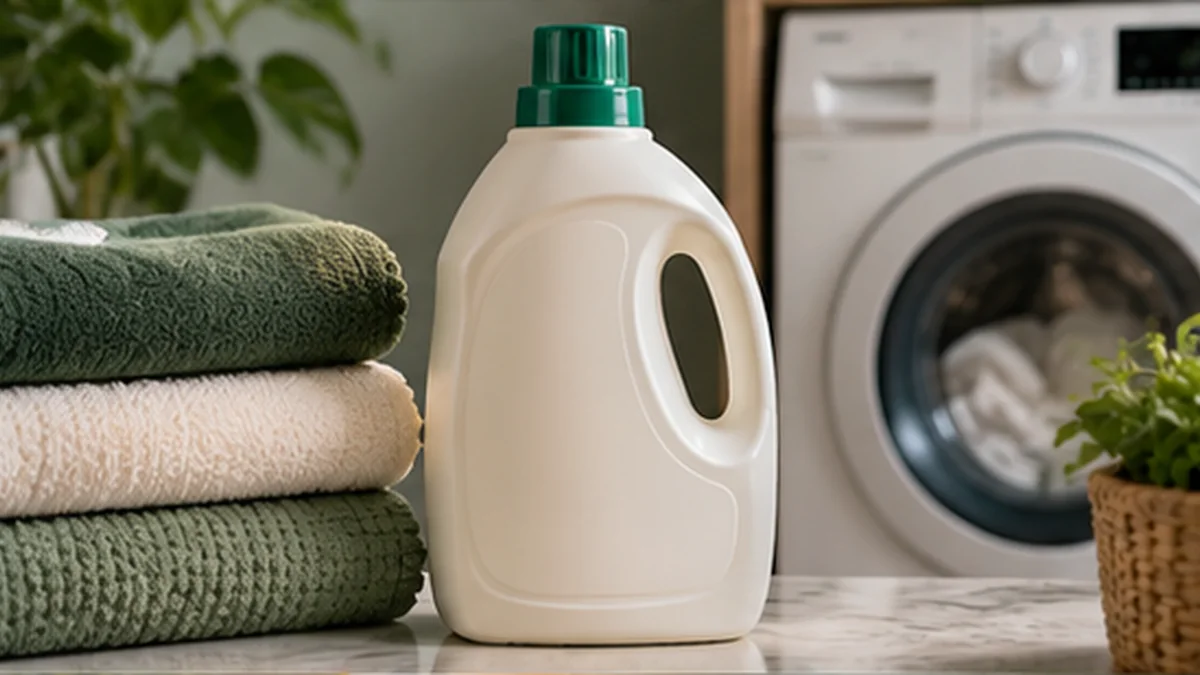
Start with washer type, garments and care instructions rather than package price. Verify that the detergent suits your wash cycle.
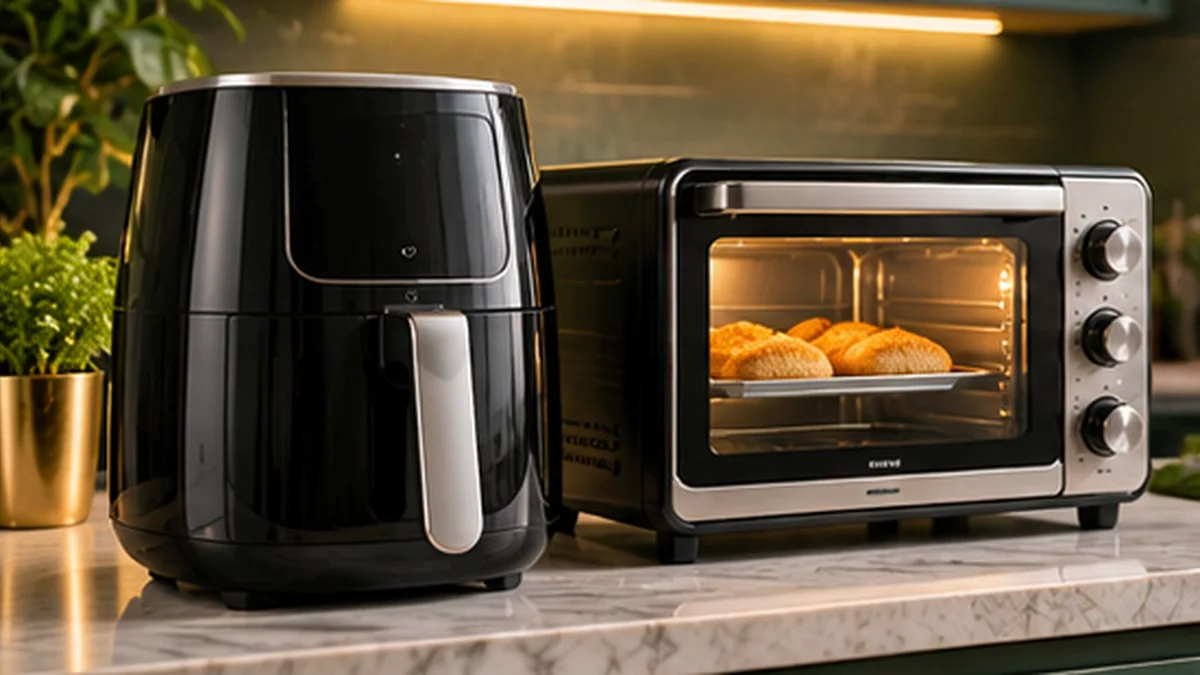
For small quick meals, an air fryer can be convenient because of its size and air circulation. An oven accommodates larger trays and varied dishes.
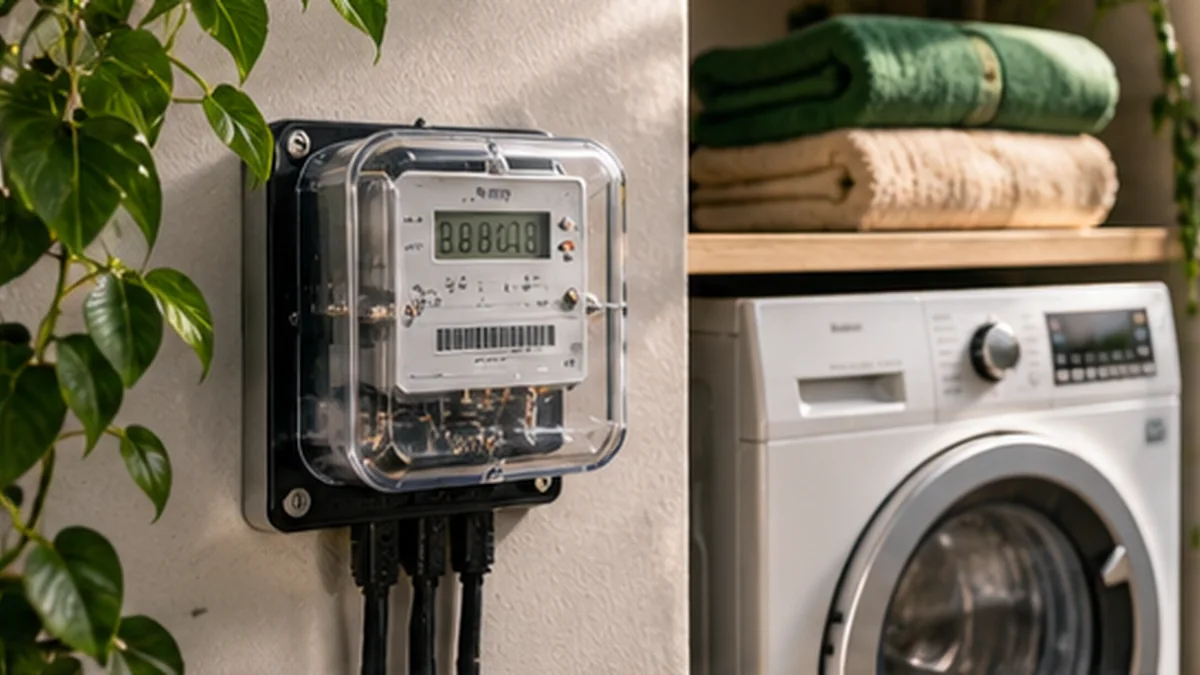
Watts describe power; energy is measured in watt-hours or kilowatt-hours. A 1,000 W appliance running for one hour uses 1 kWh in theory if power is constant.

Identical USB-C connectors do not imply identical power or protocols. Review the charging power your device actually supports.

If you move large files frequently or carry a drive around, an SSD may suit your needs because it uses electronic storage. HDDs have moving parts and can be economical at larger capacities.

The right mouse is not always the most expensive or the one with most buttons. Start with hand size, grip and daily use.

Start with identical dates, guest count and room type. Breakfast or cancellation differences can make two offers incomparable.

Packing cubes help separate clothes or small items. Too many can add weight and bulk.

For a 300 km trip at 12 km per litre, theoretical consumption is 25 litres. Multiply by the fuel price for your vehicle.

Start with what remains from last year. Inspect bags, pens and notebooks before buying a new bundle. Use actual school requirements.

Size labels do not necessarily match across brands. Take body measurements or measure a comfortable garment, then use the specific item’s chart.

Consider where you will use it: office, gym or car. A very large bottle may be heavy; a very small one needs frequent refills.

Choose size based on the pet and feeding location. Wider or deeper is not necessarily better.

Storage boxes look similar in pictures, but internal and external dimensions differ. Measure shelf space and lid clearance.
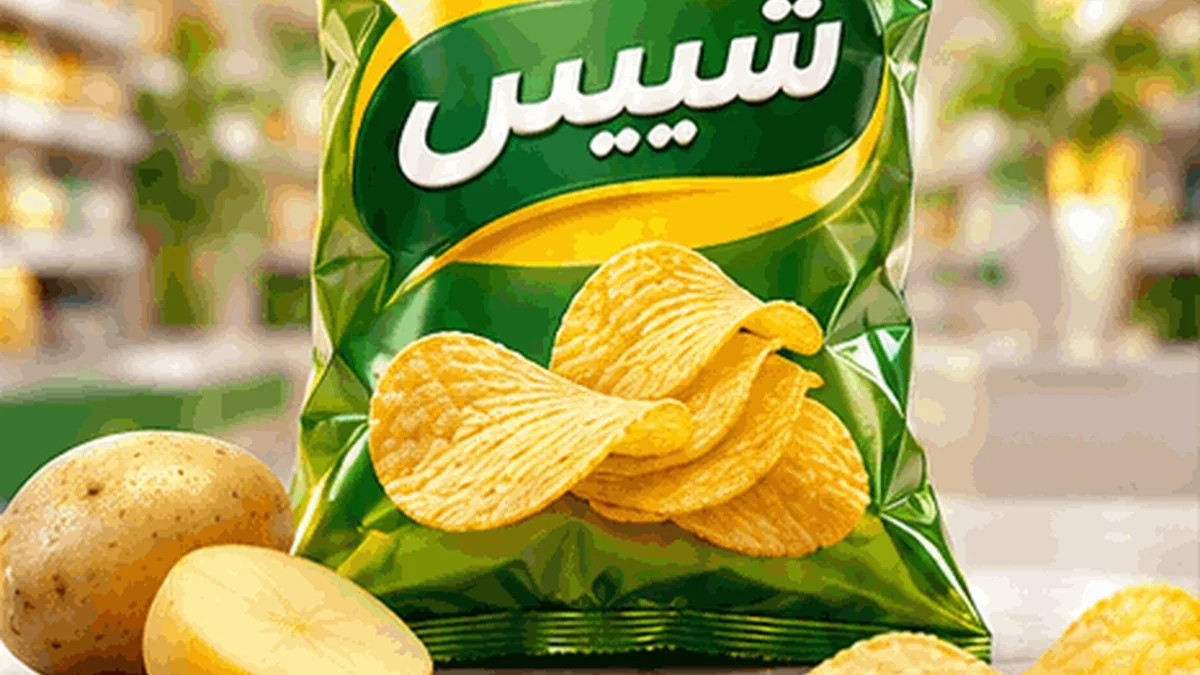
A bag of chips often has substantial headspace above the food. That space is not extra product weight; packaging often uses a gas such as nitrogen rather than ordinary air to help protect fats from oxidation.

Before placing an order, match model, color and size to your intended item. Check seller identity, especially in marketplaces.

Savings begin with a needed product at a suitable price, not with a code. Choose the item first, then look for an eligible coupon.
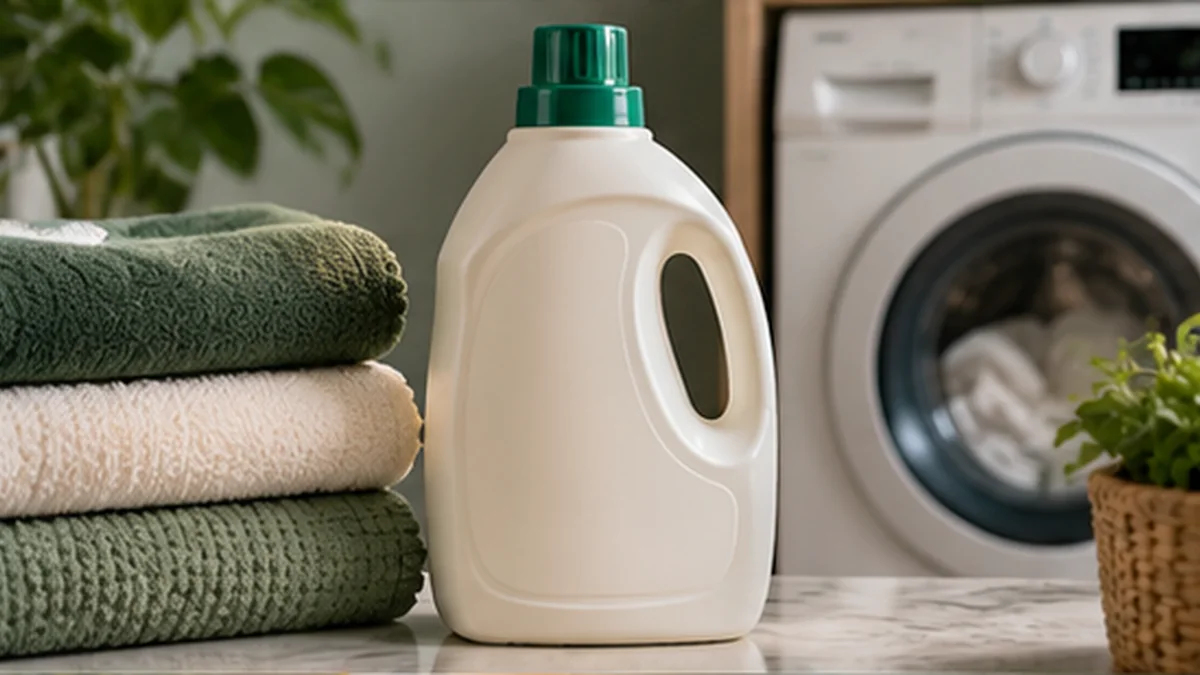
Review recommended dosage and number of uses. A cheap per-litre package may not be cheaper if less concentrated or unsuitable.

Lumens describe luminous flux while watts describe electrical power. Choosing solely by watts is not enough when targeting a lighting level.

Game size is often shown in gigabytes and internet speed in megabits per second. A byte contains eight bits, so convert before dividing.

First compare products with a suitable function and formulation. Do not compare a medicated shampoo with a regular product by price per millilitre alone.

Start with the problem you want solved rather than a promotional clip. If you cannot describe it in one sentence, you may not need the gadget.

List recurring subscriptions, renewal dates and prices. Small charges can add up over a year.

No retailer is cheapest for every item. Match the same product, model, color and quantity before comparing.

Choosing between PS5 Slim editions depends on how you buy games more than the console shape. The digital edition uses downloads; the disc edition supports compatible physical games as well as digital purchases.

A bag price alone does not describe drink cost. Compare the actual dose per cup using products suitable for the same brewing method.

Unit price is useful for rice, but serving cost relates the purchase to each meal. Use your household’s dry-rice quantity rather than assuming one universal portion.
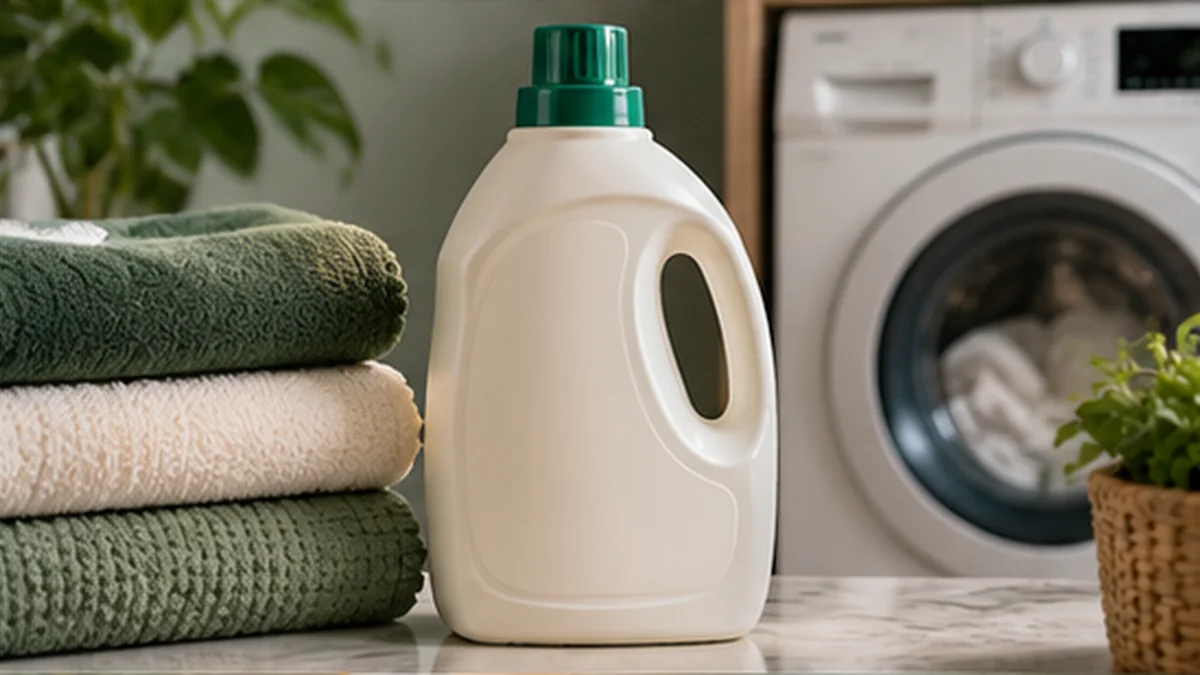
A larger detergent package may look cheaper, but dose and load determine how many washes it provides. Compare products under equivalent laundry conditions.

Wattage is an advertised capability, not a guarantee that your device receives it. Device, charger and cable compatibility all matter; multiple ports can share output.

The right external drive is not necessarily the fastest or largest. Measure existing files and expected growth before choosing capacity and drive type.

Litres are a starting point, but basket shape, usable area and batch count matter for a household air fryer.

Packing organizers help separate clothing and improve access, but they add weight and do not change an airline allowance. Plan weight before buying a set.

Sometimes the cheapest purchase is the one you do not need. A quick pantry inventory identifies gaps before the weekly shop.